Whether you are on the yogi path or not, you may have come
across one of these three words: mantra, mandala and mala. Last
Wednesday some of us began a new mandala, or cycle of prayer, for many different reasons. Perhaps you have sacrificed something special, increased alms giving or community service. I felt compelled to share the meaning of these important
words to perhaps stimulate your own meditation or 40-day journey during this time
of preparation (some refer to it as Lent).
Should you choose to begin a new prayer
cycle, or mandala, next week or at anytime, you can use a mantra (the
prayer/intention) and mala beads. So, you see, they all work together
in tandem to create peace, balance and even cleanse the body and mind
from impure thoughts, toxins, anxiety/stress and more!
As
mentioned, the mandala is a cycle, more specifically, the natural
cycle of the body. It is also defined in Sanskrit as a healing
circle. Circles suggest wholeness, unity, the womb, completion and
eternity. The awareness (meditation) of the Mandala can stimulate
creative thinking, concentration and center us to the point where it
is quiet and still. One can position a mandala image where it can be
viewed while repeating a mantra (described below). Some even create
alters for their mandala.
Coloring mandalas can be most
beneficial for children to calm their minds and slow down their thought
process. Carl Jung even used this in therapy with children to help
them express themselves when words escape them.
In a
meditation cycle the mandala can help bring awareness and focus toward a
mantra, a prayer or intention. It can be repeated or used just once
and verbalized or chanted internally. Mantras are sounds — words or
phrases — that are used as an object of concentration. Common Sanskrit
mantras are: Om Shanti Shanti Shanti (Om peace peace peace), Om Mani
Padme Hum (difficult to translate but pertains to the jewel of the
lotus), or Sat Nam (the vibration of truth). Should you be more apt to choose a prayer or intention but cannot focus on something specific, try one of these:
Focus on gratitude ~ give up complaining
Become an optimist ~ give up pessimism
Think of kind thoughts (towards yourself or others) ~ give up harsh judgments
Trust Divine Providence ~ give up worry
Be full of hope ~ give up discouragement
Turn to forgiveness ~ give up bitterness
Return good for evil ~ give up hatred
Be positive ~ give up negativism
Be more patient ~ give up anger
Become mature ~ give up pettiness
Enjoy beauty, that which surrounds you ~ give up gloom
Pray for trust ~ give up jealousy
Turn to virtue ~ give up gossiping
Hang in there! ~ give up giving up!
Lastly, mala
beads are used to keep track of the number of mantras/prayers said
during a mandala/meditation cycle. Just like a rosary, the beads are
used to keep track of the number of prayers so you can concentrate on
the prayer and just move your fingers from bead to bead without losing
count. Mala beads have 108 beads.
Before getting started, consider using Sandalwood essential oil in your practice. Sandalwood assists with all kinds of prayer, meditation and spiritual worship. It teaches reverence and respect for Deity. It has been
used since ancient times for its powerful ability to calm the mind, still the
heart and prepare the spirit to commune with God. Sandalwood teaches of spiritual devotion and spiritual
sacrifice. It invites us to place all material attachments on the altar
of sacrifice so that we may truly progress spiritually. It also asks us
where our hearts are and challenges us to reorder our priorities to be in
alignment with the Divine will. Sandalwood assists us in quieting our minds so that we may hear
the subtle voice of the Spirit. It raises individuals into higher levels
of consciousness. It assists us in reaching beyond our current confines
and belief systems. For those who are ready to leave behind fame, wealth
and the need for acceptance, Sandalwood teaches true humility, devotion
and love for the Divine. Place a drop over the brow area. Inhale before meditation,
study or prayer.
I suggest using doTERRA CPTG Sandalwood, which can be purchased at my oil website.
Use these simple steps to begin your new cycle:
- Find a quiet place.
- Select soft music and light candle(s) to create peace and serenity. (optional)
- Display your mandala.
- Come to a seated asana (position/pose) cross legged or lotus.
- Close your eyes and begin to bring awareness to the breath.
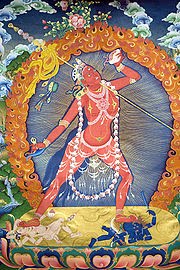
- Tibetan
tradition shows us the outer rings of the mandala represent fire that
will purify an individual as they ready the journey of entering into
the mandala itself. This is the point of entry for your meditation.
The path will lead you inward to the center. Concentrate and focus on
the shapes and colors and let the design and beauty sink into your
being. Follow each circle inward and if you run into a dead end, just
remember that not only do you want to reach the center but the
meditation is also about the travel to enlightenment.
- Begin to repeat your mantra and use mala beads to keep count. (eyes can be open to view mandala or closed)
- Enjoy the many benefits of meditation and the new path you are creating.